
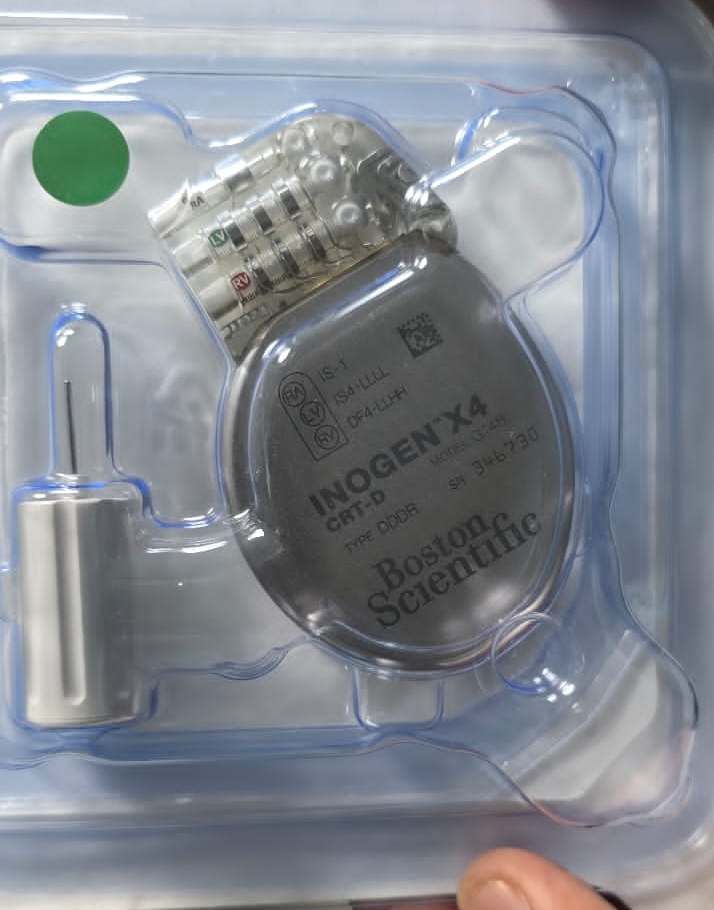
Understanding Left Bundle Branch Block (LBBB) and Cardiac Resynchronization Therapy (CRT)
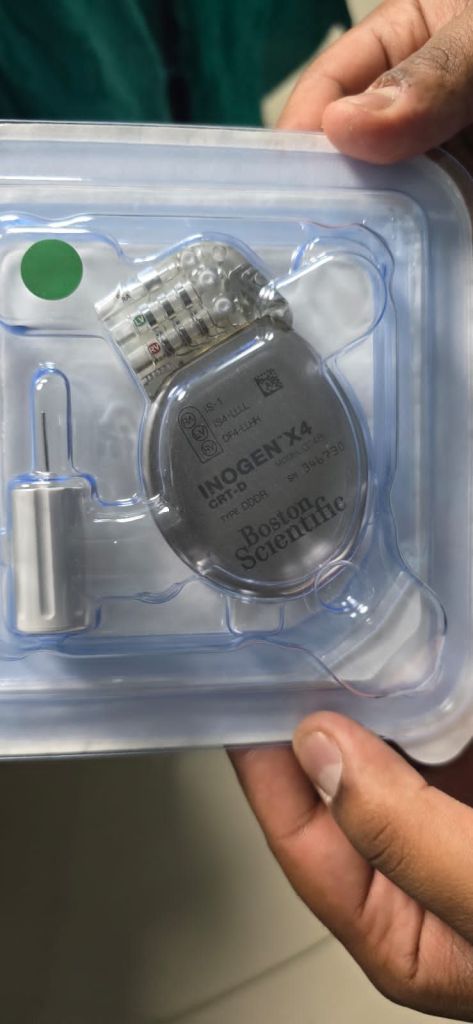
Left Bundle Branch Block (LBBB) is a cardiac conduction disorder where there’s a delay or obstruction in the electrical impulses traveling through the left bundle branch of the heart’s conduction system. This disruption leads to uncoordinated contractions between the left and right ventricles, resulting in mechanical dyssynchrony and potentially reduced cardiac efficiency. Patients with LBBB often experience symptoms such as fatigue, shortness of breath, and reduced exercise tolerance.
Cardiac Resynchronization Therapy (CRT) is an advanced treatment modality designed to restore the synchronized contraction of the heart’s ventricles. This is achieved by implanting a specialized device that sends electrical impulses to both the left and right ventricles, ensuring they contract simultaneously. CRT devices are categorized into two main types:
CRT-P (Cardiac Resynchronization Therapy Pacemaker): This device provides pacing therapy to resynchronize the heart’s contractions.
CRT-D (Cardiac Resynchronization Therapy Defibrillator): In addition to pacing, this device incorporates defibrillation capabilities to detect and correct life-threatening arrhythmias.
Patients with heart failure, reduced left ventricular ejection fraction (typically less than 35%), and a widened QRS complex (especially with LBBB morphology) are considered ideal candidates for CRT. Clinical trials have demonstrated that CRT can significantly improve symptoms, enhance quality of life, and reduce mortality in these patients.
Dilated Cardiomyopathy (DCM): Overview and Risks
Dilated Cardiomyopathy (DCM) is a condition characterized by the enlargement and impaired contraction of the left ventricle, leading to systolic dysfunction. This impairment hampers the heart’s ability to pump blood efficiently, resulting in symptoms like breathlessness, fatigue, and fluid retention. DCM can arise from various causes, including genetic mutations, infections, and prolonged alcohol consumption.
The risks associated with DCM are substantial. Patients are prone to heart failure, arrhythmias, thromboembolic events, and sudden cardiac death. The presence of LBBB in DCM patients exacerbates these risks by introducing electrical dyssynchrony, further compromising cardiac function. This combination often leads to a more severe clinical presentation and a poorer prognosis.
CRT: Optimal Therapy for Patients with LBBB and DCM
For patients diagnosed with both LBBB and DCM, CRT emerges as a pivotal therapeutic intervention. By restoring synchronized ventricular contractions, CRT enhances cardiac output, alleviates heart failure symptoms, and promotes reverse remodeling of the left ventricle. Studies have shown that patients with LBBB-associated cardiomyopathy experience significant improvements in cardiac function following CRT implantation.
The choice between CRT-P and CRT-D depends on the patient’s risk profile. While both devices offer resynchronization benefits, CRT-D provides additional protection against malignant arrhythmias, making it suitable for patients at higher risk of sudden cardiac death. Clinical guidelines recommend CRT, particularly in patients with LBBB, reduced ejection fraction, and heart failure symptoms, as it has been associated with reduced heart failure hospitalizations and mortality.
Expert CRT Implantation at Agra Heart Centre and Multispecialty Hospital
When considering CRT implantation, the expertise of the medical team and the facility’s track record are paramount. Agra Heart Centre and Multispecialty Hospital stands out as a leading institution in this domain. Under the proficient leadership of Dr. Rajat Rawat and Dr. C.R. Rawat, the center has achieved remarkable milestones in cardiac care.
Notably, the first CRT device implantation in Agra was performed at this hospital by Dr. C.R. Rawat and Dr. Rajat Rawat, marking a significant advancement in the region’s cardiac therapeutic landscape. Their commitment to excellence has positioned Agra Heart Centre as the premier destination for CRT procedures, with the highest number of implantations in the city. Patients recommended for CRT-D can trust in the unparalleled expertise and comprehensive care provided by Dr. Rajat Rawat and Dr. C.R. Rawat at Agra Heart Centre.
For appointment – call 7830000618
Dr. Rajat Rawat and Dr. CR Rawat
Best and Top Most Experienced Cardiologist Cardiac Interventional Heart Surgeons in Agra.
(KINDLY BRING ALL PREVIOUS CONSULTATION PAPERS WITH YOU)
All Major TPA health insurance cards are accepted for cashless or reimbursement health services.

