

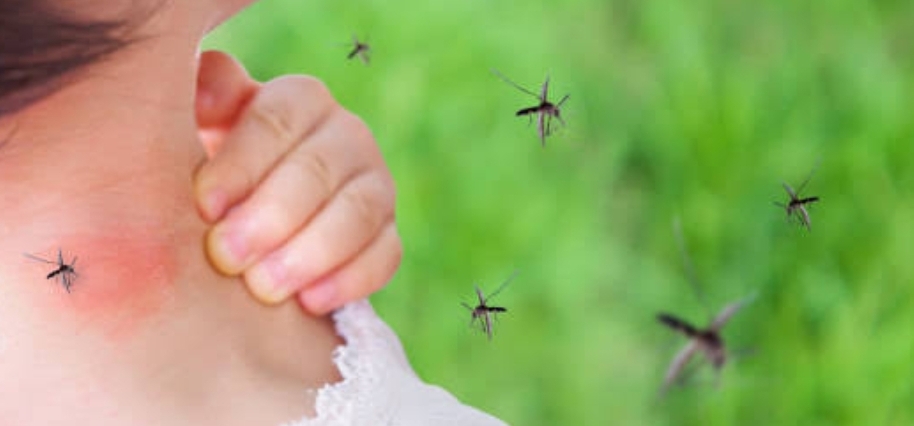
Dengue is a major healthcare crisis, when it occurs as an outbreak. To keep things simple, Dengue is caused by bites of an infected mosquito.
So, the first and foremost thing that one should do, is to prevent or protect oneself against catching the disease and getting the bite.
Wear full sleeve clothes.
Wear mosquito repellents.
Clear any stagnant water indoor and near to home, as these are the breeding grounds of mosquitoes.
Sleep under mosquito nets for beds.
If one takes all these measures, it is unlikely that the individual would get dengue. Again, to clear the myth, Dengue does not spread from one person to another, rather, it is spread by the infected mosquito bites. Most infected mosquitoes breed in the same area, hence clusters of outbreaks of dengue are seen, in people living near to those breeding areas.
Dengue is a viral illness. There is no cure for dengue that has been discovered yet. However, patients should seek medical attention soon, to prevent development of complications.
Contact your doctor/ visit a hospital in case of:
Fever, lethargy, grittiness of the eyes on movement of eyes, reddishness or reddish purport or spots on the skin.
Your doctor may prescribe you tests such as :
1. CBC including hematocrit
2. Dengue NS1/ IgM/ IgG
3. MP antigen
4. Sr. Creatinine and SGPT
To make a diagnosis of dengue and rule out any other organ involvement.
Always remember, that in most cases of dengue, platelets start to fall after convalescence of i.e. after fever has subsided – this also the time when most complications arise. Patient’s platelet counts generally start falling after fever has stopped coming or IgM has become positive after NS1.
Immediately seek admission in case of warning signs –
Platelets <50,000/mm3
Nausea/vomiting/abdominal discomfort/pain
Breathlessness
Decreased urine output
Increasing liver enzymes
Altered neurological/mental status
Low BP/ tachycardia /bradycardia / narrow pulse pressure (Systolic BP minus Diastolic BP <30 mm Hg)
Bleeding from anywhere
What can one do?
Try and eat healthy meals.
Drink plenty of fluids orally.
Remember, TLC decrease and Platelet count decrease is a characterstic of the disease. Nobody can stop that from happening.
Platelet counts should be done daily till 50,000.
And when less than 50,000 then, every morning and evening.
Patients usually do not require platelet transfusions till 10,000/mm3 if there is no associated bleeding or danger signs.
Platelet transfusions can be attempted at anytime , if there is over bleeding or minor bleeding with platelets <50,000/mm3.
If Hb is decreasing along with decreasing Hct, patient may need Blood transfusion.
If patient’s Hct is increasing, then patient may need intensification of fluids.
Try and avoid even minor trauma like bumps etc. In case of low platelet counts, as this might even precipitate cerebral hemorrhage.
Platelet life generally is of 7 days, and this is when most platelets get destroyed in the spleen, and new platelets start getting produced. So it taken approximately 7 days (some more, and some less) for Platelet count to recover.
However, every institution follow their own protocol.
Agra Heart Center is lead by Dr. C. R. Rawat sir, senior physician and consultant cardiologist with more than 35 years of experience, along with Dr. Rajat Rawat, MD Medicine and Senior Interventional and Consultant Cardiologist .
Dr. Rajat Rawat has vast experience of dengue along with it’s latest guidelines- and was spearheading the dengue treatment fight in the great dengue outbreak of 2015 in Bareilly.
He also has vast experience in Dialysis and nephrology from his MD Days along with interventional cardiology.
TOGETHER, AGRA HEART CENTER AND MULTISPECIALTY HOSPITAL has the best team of physicians and cardiologist, Surgeons to tackle your problems.
To book an appointment, call on
7830000618.


Very good information best cardiologist and physician in agra
LikeLike